

Sustainability: Tips for a Plastic-Free Kitchen
In a world where environmental protection and sustainability are becoming increasingly important, the idea of a plastic-free kitchen is gaining relevance. Plastic is not only harmful to the environment, but can also pose risks when it comes into contact with food. In this blog post, you will learn how to make your kitchen plastic-free and do your part for the environment.
1. Avoid single-use plastic: Single-use plastic products such as disposable tableware, cling film and plastic bags are among the largest sources of plastic waste. Replace them with more sustainable alternatives such as reusable containers, beeswax wraps and reusable shopping bags. You can find wraps, bags and cling film for food storage here.
2. Buy loose food: Many food items are unnecessarily packaged in plastic. Instead, buy fresh produce at markets or in zero-waste shops, where it is available loose and without plastic packaging. Bring your own containers to carry your shopping home. Cooler bags are especially useful for food shopping in summer. Take practical lunchboxes and cooler bags with you on your next visit to the market.
3. Use glass and stainless steel containers: Glass and stainless steel containers are an environmentally friendly alternative to plastic for storing food. They are durable, easy to clean and can be reused many times. Here you will find storage jars and containers made from glass, stainless steel or recycled materials
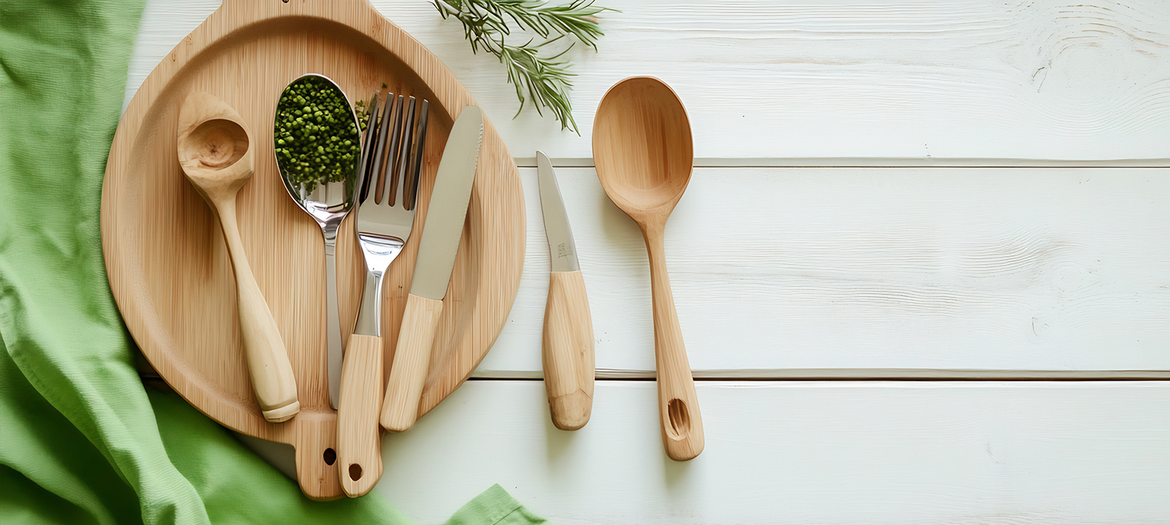
4. Use sustainable kitchen utensils: Replace plastic utensils with durable and sustainable alternatives made from bamboo, stainless steel or wood sourced from certified sustainable forestry. Discover wooden cooking spoons
5. Cook for yourself: Avoid ready meals and snacks in plastic packaging and cook with fresh ingredients instead. This not only reduces plastic use but also supports a more balanced diet.
6. Compost organic waste: Set up a compost bin to recycle organic waste such as vegetable scraps, coffee grounds and eggshells. This helps reduce overall waste and supports a more sustainable kitchen. You can find practical compost bins here
7. Share your knowledge: Tell friends and family about the benefits of a plastic-free kitchen and share your experiences and tips. Together, you can make a positive contribution to protecting the environment.
By following these tips, you can reduce plastic use in your kitchen while supporting a more sustainable lifestyle. Even small changes can make a meaningful difference.
Related products
-
-
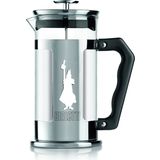
Bialetti French Press, 1 item
- Dishwasher safe
- Made of stainless steel & heat-resistant glass
- Ergonomic handle
-
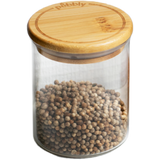
Pebbly Round Spice Jars with Bamboo Lids, Set of 3
- Made of robust borosilicate glass
- Airtight
- Volume: 180ml